Simple ways to stay active and support healthy bones as you age
Staying active can be one of the best ways to keep enjoying the things you love as you get older and maintain strength and mobility.
Bone health is an important part of that picture. As we age, taking steps to support strong bones becomes increasingly important. Exercise is one piece of a healthy lifestyle, and certain types of movement can help support bone and muscle strength.
1. Walking
 Sometimes the simplest activities are the easiest to stick with. Walking is a weight-bearing activity that can be incorporated into many daily routines.
A walk around the neighborhood, through a community or with a friend can provide an opportunity to get moving while enjoying a change of scenery. You can choose a pace and duration that feels comfortable for you.
If you have concerns about balance, mobility or your ability to safely walk for exercise, speak with your healthcare provider before starting a new routine.
2. Light strength training
Strength training is another type of exercise that can support your muscles and overall physical function. Depending on your abilities and fitness level, this might involve resistance bands, light hand weights or bodyweight movements.
You do not need to lift heavy weights to get started. The emphasis should be on controlled movements and proper technique.
If you are unfamiliar with strength training, consider working with a qualified fitness professional who has experience working with older adults. They can help you choose appropriate exercises and demonstrate proper form.
3. Chair-based exercises
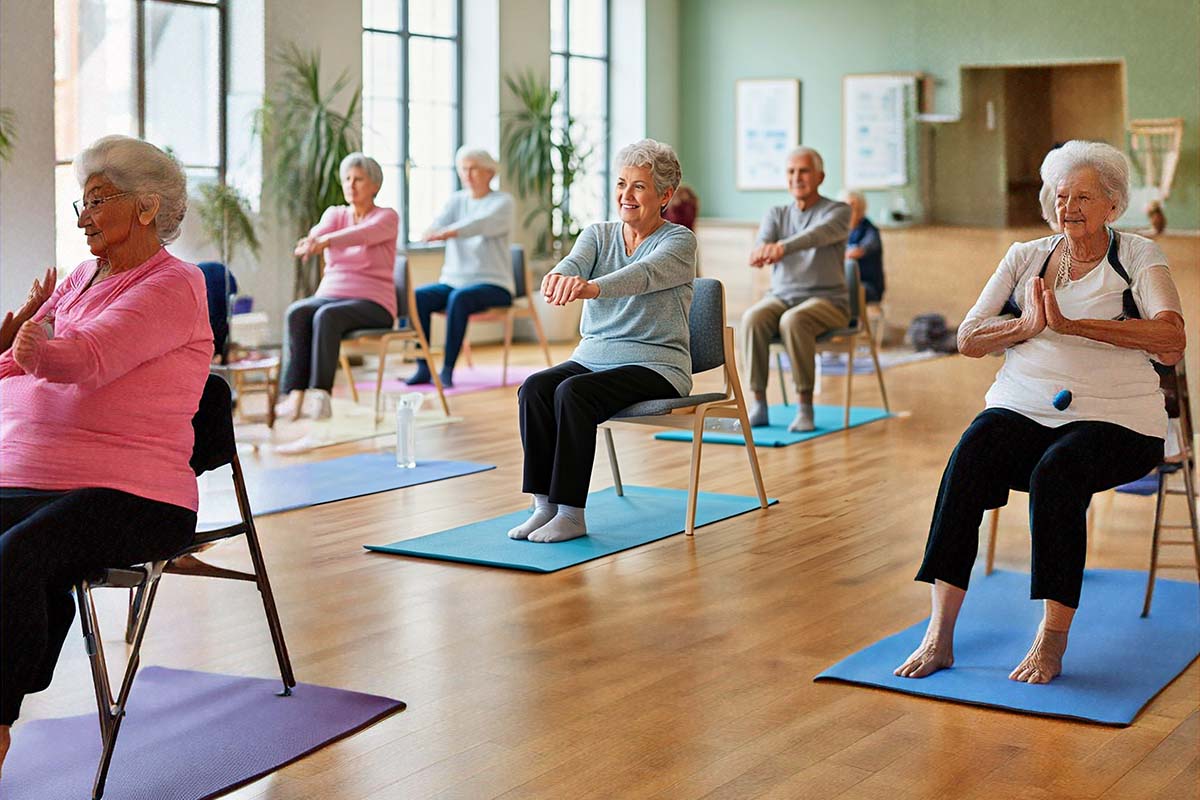 Exercise does not always have to happen on your feet. Chair-based activities can provide another option for incorporating movement into your day.
Depending on your individual abilities, these activities might include seated marching, gentle leg movements or upper-body exercises. They can be particularly appealing if standing for extended periods is uncomfortable.
Use a sturdy chair on a stable surface and avoid movements that feel uncomfortable or difficult to control. If you have questions about whether a particular exercise is appropriate for you, ask a healthcare professional or qualified fitness instructor.
4. Controlled sit-to-stand movements
Standing up from a chair is something you already do throughout the day. Practicing controlled sit-to-stand movements can also engage muscles in the legs and hips.
For some older adults, this can be a practical addition to a strength routine. However, it may not be appropriate for everyone, particularly people with balance concerns or certain physical limitations.
5. Low-impact activities
You do not have to spend your workout lifting weights to stay active. Low-impact activities can provide enjoyable ways to incorporate movement into your routine.
Depending on your individual health and abilities, options may include dancing, water-based exercise, gentle aerobics or other activities that keep you moving without placing excessive strain on your joints.
The best activity is often one you enjoy enough to do regularly. A group class can also add a social element, making exercise feel less like a chore and more like something to look forward to.
6. Balance and flexibility matter, too
Bone strength is only one part of maintaining an active lifestyle. Balance, flexibility and muscle strength all play a role in helping you stay mobile and independent.
Gentle stretching and appropriately modified balance activities may be useful additions to an exercise routine. Because balance abilities can vary significantly, it is a good idea to seek professional guidance before trying exercises that involve standing on one foot or moving without support.
There is no need to push yourself to the limit. Consistent, comfortable movement can be more valuable than trying to complete the most difficult workout.
7. Make movement part of your everyday life
Staying active does not have to mean following an intense exercise program. Movement can become part of your everyday life in simple ways.
Take a walk with a friend, participate in a community activity, spend some time gardening or choose an exercise class that sounds enjoyable. Finding activities you look forward will make it easier to remain active over time.
Stay active at Cordia Senior Residence in Westmont
An active lifestyle can be about much more than exercise. It can mean having opportunities to get out, spend time with others and continue doing the things that make each day enjoyable.
At Cordia Senior Residence in Westmont, residents enjoy a welcoming community where staying engaged and connected can be part of everyday life. For older adults considering senior living, finding a community that supports an active lifestyle makes it easier to pursue hobbies, participate in activities and enjoy more time with friends and neighbors. With the right environment, retirement can be an opportunity to focus less on household responsibilities and more on the experiences that make life fulfilling.
Disclaimer: Before beginning a new exercise routine, especially if you have a medical condition, osteoporosis, a history of fractures, balance concerns or other health considerations, talk with your healthcare provider. A qualified fitness professional can also help you understand which exercises and activity levels are appropriate for you.
The information in this article is intended for general educational purposes and is not a substitute for personalized medical or fitness advice. Stop exercising if you experience pain, dizziness, unusual shortness of breath or another concerning symptom, and seek appropriate medical guidance.